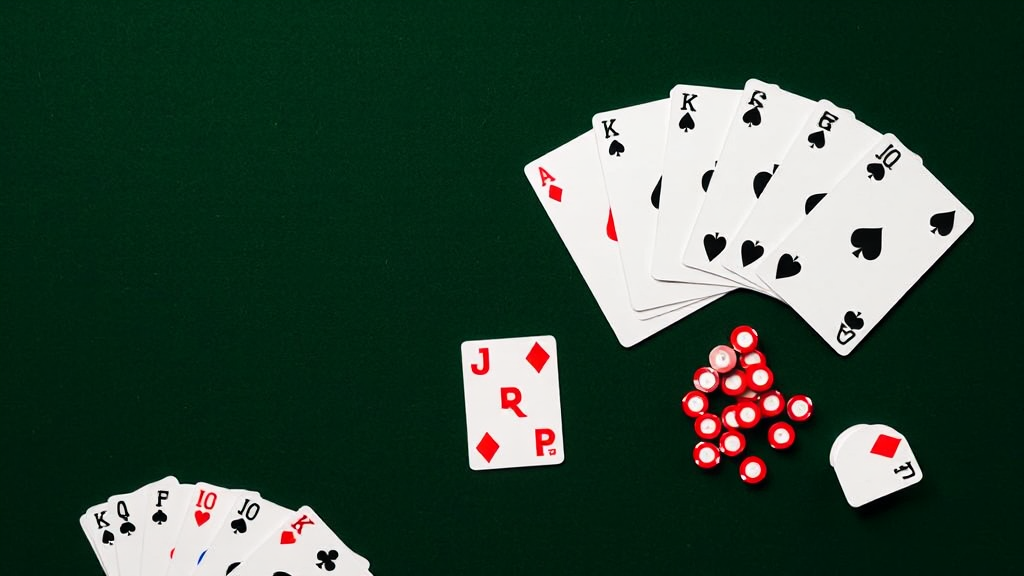
All Rummy Game: A Complete Guide to Rules, Variations and Smart Play
Rummy is one of those card games that quietly rewards patience, memory and a bit of arithmetic. If you have ever searched for the All Rummy Game experience in one place, you already know that the name covers a whole family of rules rather than a single fixed format. From the fast, two-player version played in living rooms to the more structured tournament variants, rummy keeps the same core promise: arrange your cards into valid sets and sequences before your opponents do. This guide walks through how the game works, the differences between major variants, practical strategy, common mistakes, and the etiquette that separates casual players from confident ones.
What Exactly Is the All Rummy Game?
When people talk about the all rummy game, they usually mean the complete universe of rummy formats rather than one strict rulebook. At its heart, rummy is a matching and sequencing game. You receive a hand of cards, you draw and discard on each turn, and your goal is to meld your entire hand into legal combinations. A set is three or four cards of the same rank but different suits. A sequence is three or more consecutive cards of the same suit.
What makes rummy so adaptable is that small rule changes create very different experiences. A version that requires two sequences instead of one, or that treats a printed joker differently from a wild card, can shift the entire rhythm of play. That flexibility is why rummy has survived for generations across completely different cultures and card traditions.
The core loop stays consistent: draw one card, evaluate your hand, discard one card. Simple to learn, surprisingly deep to master. The depth comes from the tension between building toward a finished hand and reacting to what your opponents discard.
The Basic Rules Every Beginner Should Know
Before exploring variations, it helps to lock in the fundamentals that almost every rummy format shares.
Number of Players and Cards
Most rummy games use either one or two standard decks, sometimes with printed jokers included. Two-player games typically use a single deck, while games with three to six players often use two decks to keep enough cards in circulation. Each player receives a starting hand, usually thirteen cards, with the remainder forming a draw pile and a discard pile.
The Objective
Your goal is to arrange all your cards into valid melds. A meld is either a set or a sequence. Once your hand is fully arranged and you have satisfied any minimum requirements, you declare and end the round. In most formats, you must keep at least one pure sequence — a sequence with no joker substitution — to declare legally.
Turn Structure
On your turn you pick up either the top card of the closed draw pile or the top card of the open discard pile. You then discard one card face up. This draw-and-discard rhythm continues until someone declares or the draw pile runs out.
Jokers
Jokers are the great equalizer. A printed joker is a designated card that can substitute for any card you need. A wild card joker is a card randomly selected at the start of the round, often by cutting the deck, that also acts as a substitute. Jokers make melds easier but come with restrictions, and understanding those restrictions is essential.
Scoring
When a player declares, the remaining players count the value of their unmatched cards. Face cards usually carry ten points each, aces vary by format, and number cards carry their face value. Jokers typically carry a fixed penalty value. The lower your unmatched total, the better you did.
Popular Variations of the Rummy Family
The all rummy game label covers several distinct rule sets. Knowing the differences helps you adapt quickly when you sit down at a new table.
Straight Rummy
Straight rummy is the simplest form. You need one pure sequence and one impure sequence, with the rest of your hand formed into sets or additional sequences. It is the version most beginners learn first because the requirements are forgiving.
Points Rummy
Points rummy is a single-deal format where each round stands alone. Players settle based on the point value of their unmatched cards, usually multiplied by a fixed rate. Because every deal is independent, points rummy rewards quick thinking and decisive discarding rather than long-term planning.
Pool Rummy
Pool rummy spans multiple deals. Players enter a fixed prize pool, and the game continues until someone reaches a predetermined score limit or only one player remains below it. This format rewards consistency and patience, because a single bad hand does not end your session.
Deals Rummy
Deals rummy gives every player a fixed number of deals, and chips are awarded based on each deal’s outcome. The player with the most chips at the end wins. It is a hybrid that combines the structure of pool rummy with the scoring clarity of points rummy.
Two-Player and Partner Formats
Two-player rummy moves quickly because there are fewer cards in play and discards cycle faster. Partner formats add a layer of coordination, where teammates cannot openly communicate but can read each other’s discards for signals.
Strategy That Actually Moves the Needle
Rummy looks like a luck game, and at the start of a hand it partly is. But over many hands, decision quality separates winning players from losing ones. Here are the habits that matter most.
Build Your Pure Sequence First
Because most formats require at least one pure sequence to declare, your earliest priority should be securing one. Until you have it, every other meld is provisional. Players who chase sets before locking in a pure sequence often find themselves stuck with a beautiful hand they cannot legally declare.
Watch the Discard Pile Carefully
The discard pile is a public record of what opponents have rejected. If a player discards a seven of hearts, they likely do not need hearts around that rank. Tracking discards helps you estimate which cards are still live and which are dead ends.
Do Not Hoard Jokers Blindly
Jokers are powerful, but holding too many of them can leave you dependent on substitutions. A hand built almost entirely on jokers is fragile and often scores poorly if an opponent declares first. Use jokers to complete melds, not to replace actual planning.
Discard High-Value Cards Early
Face cards carry heavy point penalties. If a king or queen does not fit your developing hand, discard it before it becomes an anchor around your score. Early discards are cheap; late discards are expensive.
Read the Pace of the Table
If an opponent is discarding confidently and picking from the closed pile, they are probably close to declaring. That is the moment to tighten your own hand, reduce risk, and avoid feeding them useful cards.
Common Mistakes New Players Make
Even players who understand the rules fall into predictable traps. Recognizing them early saves a lot of points.
The most common mistake is declaring too early with an incomplete hand. A failed declaration carries a heavy penalty in most formats, so the temptation to declare prematurely is costly. The second is ignoring the pure sequence requirement until the final turns, when it is too late to fix. The third is treating every joker as equally valuable — a wild card joker and a printed joker can behave differently depending on the format, and confusing them leads to illegal melds.
Another frequent error is emotional discarding. Players who have been burned by a particular suit start avoiding it entirely, which narrows their options. Rummy rewards flexibility, not grudges.
Rummy Etiquette and Table Awareness
Rummy is a social game, and how you play matters as much as what you play. Keep your discards decisive; hesitating over every card slows the table and signals uncertainty. Do not comment on other players’ hands or discards during a round. If you are playing in a tournament or structured setting, follow the house rules on timing and declaration procedure exactly.
When you are comparing where to play or looking for structured listings, editorial directories can help you understand formats before committing. A comparison-first approach — reviewing rules, scoring systems and player expectations — is always smarter than jumping into a format you have never seen. That same discipline applies whether you are learning casually or preparing for competitive play.
Practicing and Improving Over Time
Improvement in rummy comes from repetition with reflection. After each session, ask yourself which discards cost you the most and which draws you should have taken from the open pile instead of the closed one. Keep a mental or written log of hands where you failed to declare and identify the specific meld that was missing.
Play different variants deliberately. A few rounds of points rummy sharpen your endgame decisions, while pool rummy teaches patience and score management. Rotating formats prevents you from overfitting to one rule set and builds broader card intuition.
Finally, study the arithmetic. Knowing that a king costs ten points and a four costs four points changes how you prioritize discards. Small numerical advantages compound across dozens of hands.
Frequently Asked Questions About the All Rummy Game
Is rummy a game of skill or luck?
It is a mix of both, but skill dominates over time. The initial deal is luck, yet every draw, discard and meld decision is a skill choice. Over many hands, players who make better decisions consistently outperform those who rely on chance.
How many cards do you need for a valid declaration?
In the standard thirteen-card format, you must meld all thirteen cards into valid sets and sequences. At least one of those melds must be a pure sequence with no joker substitution. Some variants require two sequences, so always confirm the local rules first.
Can a joker be used in a pure sequence?
No. A pure sequence by definition contains no joker substitutions. Using a joker in a sequence makes it an impure sequence, which is still valid in most formats but does not satisfy the pure sequence requirement.
What happens if a player makes an invalid declaration?
In most formats, an invalid declaration carries a penalty. The player typically receives the maximum point value for the round or a fixed penalty, and the game continues with the remaining players. This is why declaring only when your hand is fully verified is essential.
Which rummy variant is best for beginners?
Straight rummy is usually the best starting point because its requirements are the most forgiving. Once you are comfortable with sets, sequences and joker rules, moving to points rummy helps you develop faster decision-making.
Final Thoughts
The all rummy game is less a single pastime and more a whole ecosystem of card play built on one elegant idea: organize chaos into order before anyone else does. Whether you prefer the quick decisions of points rummy, the endurance of pool rummy, or the social rhythm of a partner game, the same fundamentals apply. Secure your pure sequence, watch the discards, respect the arithmetic, and stay flexible.
Learn one variant thoroughly before collecting others. Practice deliberately, review your losses honestly, and treat every hand as a small puzzle rather than a lottery ticket. Do that, and rummy stops being a game of chance and becomes a game of choices — which is exactly where the real enjoyment lives.